Estate Planning Made Simple: Protect What Matters Most
FREE IN-PERSON ESTATE PLANNING WORKSHOP
Hosted by Attorney Scherrie L. Prince and Jonathan Robertson of 8:18 Wealth Group, LLC
Session 1: October 8, 2026 | Time: 11:00 AM CDT
Session 2: October 8, 2026 | Time: 6:00 PM CDT
Venue: G. Chastaine Flynt Memorial Library | 103 Winners Cir, Flowood, MS 39232
Estate Planning Is an Essential Step in Securing Your Family's Future
Protect What You've Built. Plan for the People You Love.
Join us for a FREE 60-minute workshop where we'll make estate planning straightforward and easier to understand. Learn how wills, trusts, probate, powers of attorney, beneficiary designations, and other planning tools can help you protect your family, your property, and your legacy.
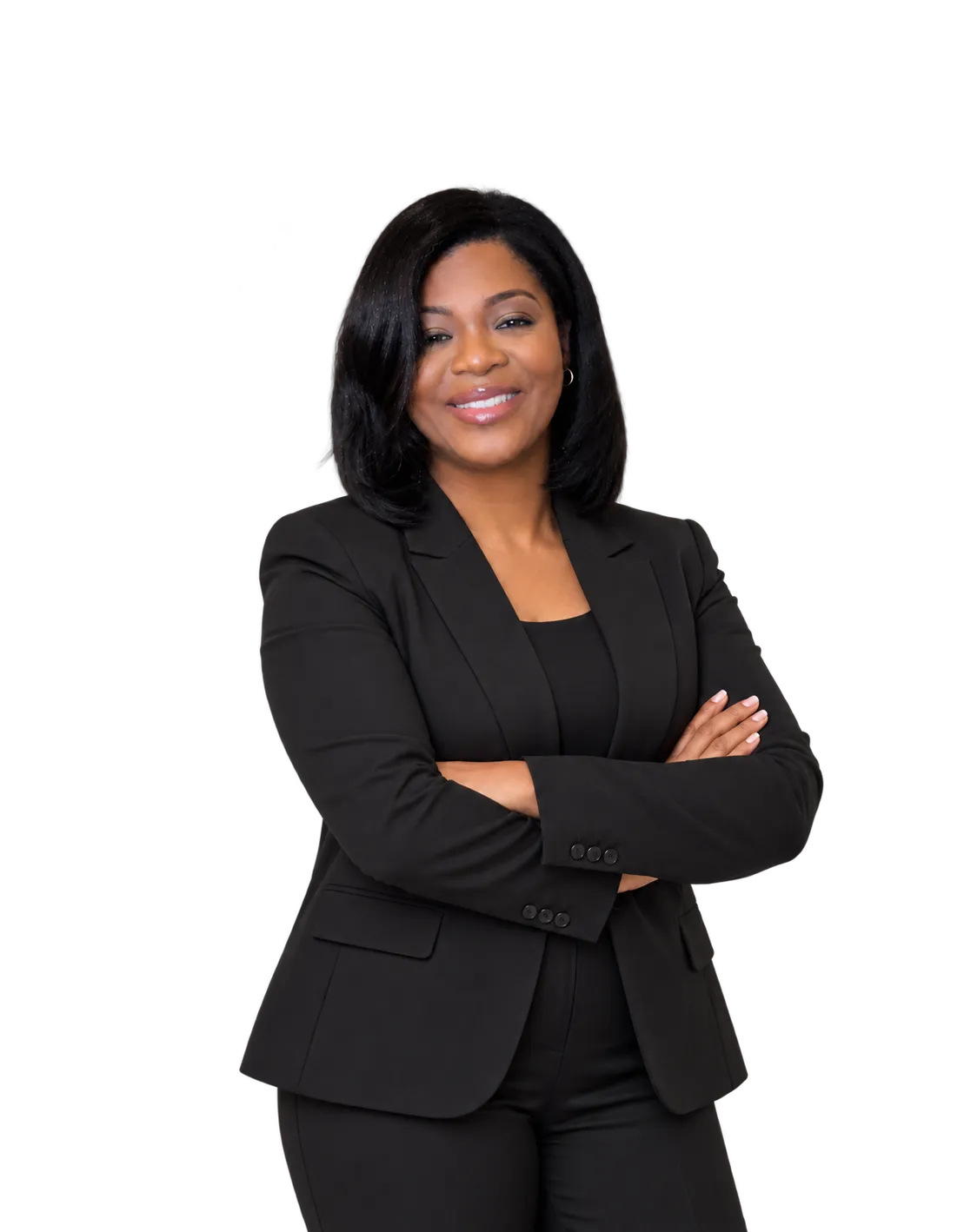
Scherrie L. Prince
Estate Planning Attorney
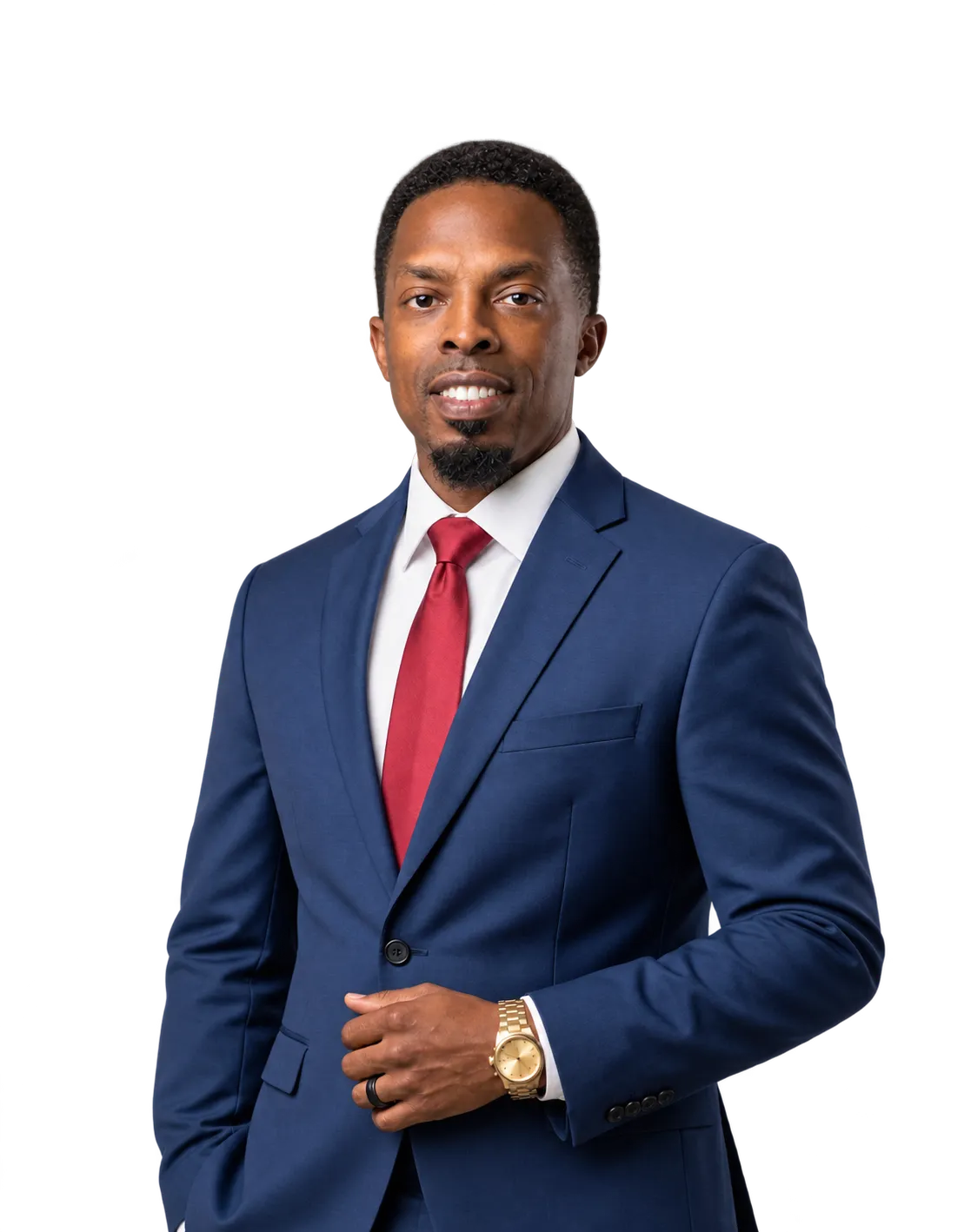
Jonathan Robertson
Wealth Consultant
Is This Worshop Right for Me
And My Family?

You own a home or other property and want to understand what happens to it when you die.
Learn how different estate planning tools may affect how property passes to the people you love and when probate may become necessary.
You have children, grandchildren, or other people you want to protect.
Learn how thoughtful planning can make your wishes clearer and help your family avoid unnecessary confusion during an already difficult time.
You already have a will or trust, or you're not sure where to begin.
Whether you have never created an estate plan or haven't reviewed yours in years, you'll learn important questions to consider when determining whether your current plan still reflects your wishes.
You Don't Have to Be Wealthy to Need an Estate Plan.
If you own a home, have retirement accounts, maintain savings or investments, own a business, have life insurance, or simply want a say in what happens if you become unable to make decisions for yourself, estate planning deserves your attention.
This workshop is designed to help you understand your options in plain language so you can make informed decisions for yourself and the people you love.
MEET YOUR HOSTS
For This Local Estate Planning Workshop
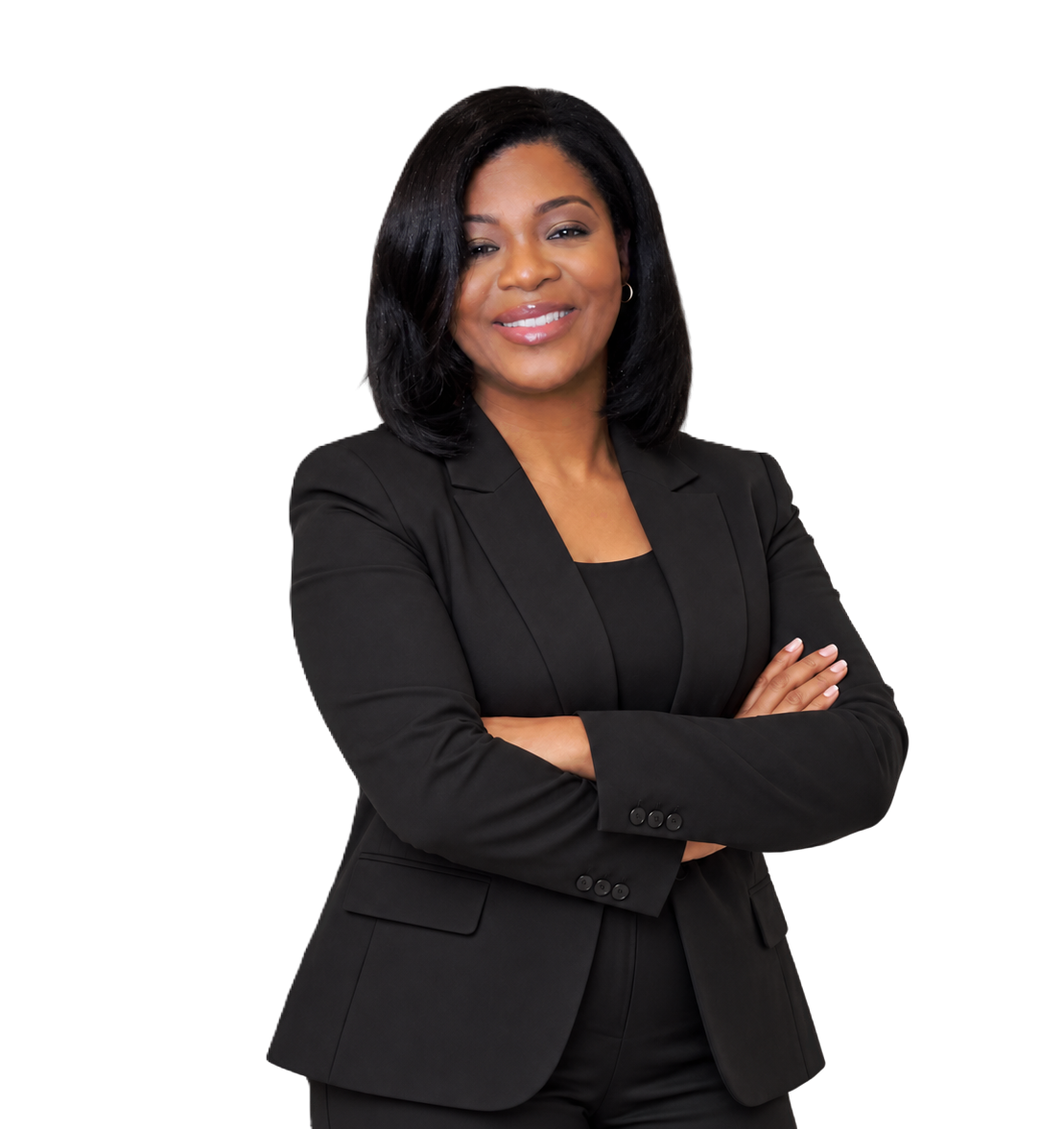
Scherrie L. Prince
Estate Planning Attorney
Scherrie Prince helps individuals and families understand their estate planning options and create plans designed to protect the people and property that matter most to them.
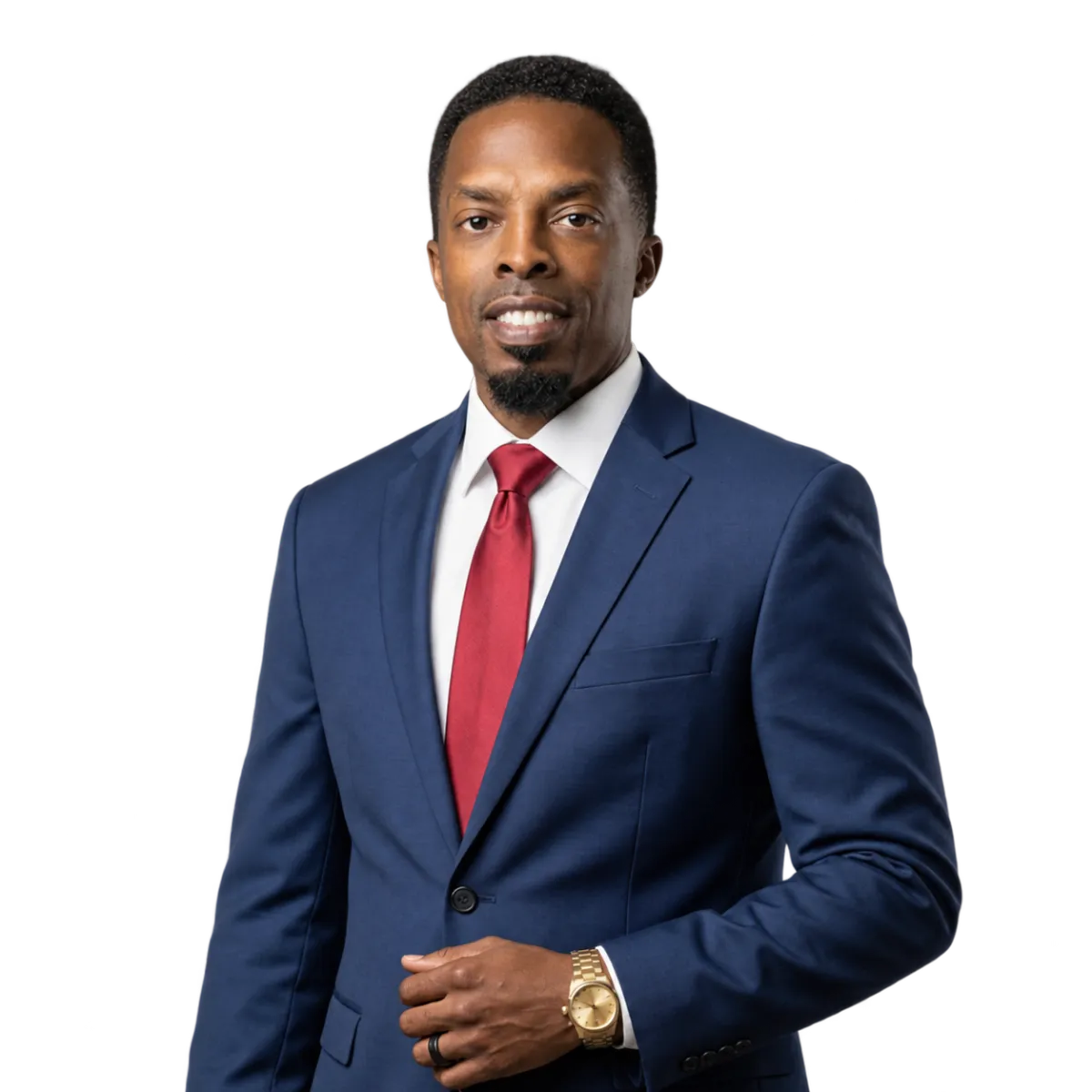
Jonathan Robertson
Wealth Consultant
Jonathan Robertson helps individuals and families plan for the future through personalized planning, retirement strategies, and wealth-building approaches.

Make Estate Planning Easier to Understand
Learn the Essentials in Just 60 Minutes
... Get Clear About the Decisions That Matter Most!
Is this seminar really free?
Yes. There is no cost to attend. Advance registration is required because seating is limited.
Who should attend this estate planning seminar?
This workshop is designed for adults who want to better understand how to protect their family, property, and financial future. It can be especially helpful for homeowners, parents and grandparents, people approaching or enjoying retirement, and anyone who has accumulated assets they want to protect and eventually pass to others.
Should my spouse or partner attend with me?
Yes, whenever possible. Estate and financial planning often involves decisions that affect both members of a household. When registering, simply reserve a seat for each person who plans to attend.
What will I learn at the seminar?
We’ll discuss wills, trusts, probate, powers of attorney, incapacity planning, beneficiary designations, protecting your home and other assets, and how estate and financial planning can work together. We’ll also address common mistakes that can create unnecessary complications for families.
I already have a will or trust. Should I still attend?
Yes. Having estate-planning documents does not necessarily mean your plan still reflects your wishes or works with your current assets and beneficiary designations. The workshop can help you identify areas of your existing plan that may be worth reviewing.
Do I need to bring any documents or information with me?
No. You do not need to bring any documents or personal information to attend. This is an educational workshop designed to help you better understand estate planning and the questions you should be considering.
Will I be able to schedule a private meeting afterward?
Attendees who would like additional information may have an opportunity to request a separate consultation with the appropriate professional after the seminar.
Will a will keep my family out of probate?
Not necessarily. This is one of the most common estate-planning misconceptions. We’ll explain how probate works, which assets may be subject to probate, and planning strategies that may help simplify the transfer of property.
Will I be pressured to purchase anything or become a client?
No. The purpose of the workshop is to provide useful educational information so you can better understand your options. If you decide afterward that you would like individualized assistance, you may request a separate appointment with the appropriate professional.
How long is the seminar?
The seminar is approximately 60 minutes. Because your individual circumstances and planning goals are important, we do not provide personalized advice during the group seminar. Instead, attendees who have questions about their specific situation will have an opportunity to schedule a private meeting with us, where we can give their questions and concerns the individual attention they deserve.
Prince & Associates, PLLC
© 2026 | All Rights Reserved


DISCLAIMER: This seminar is an independent educational program and is not sponsored, endorsed, or affiliated with the library or library system where the seminar is being held. The library is providing meeting space only. The use of library facilities does not constitute an endorsement of the seminar, its presenters, sponsors, services, or viewpoints. This seminar is provided for general educational and informational purposes only and is not intended to provide legal, tax, financial, or investment advice to any individual. Attendance at the seminar, registration for the seminar, or submission of information through this website does not create an attorney-client relationship or other professional relationship. No attorney-client relationship is created unless and until the attorney and prospective client enter into a separate written engagement agreement. Estate-planning strategies, including the use of revocable living trusts, depend upon each individual's particular circumstances. Attendees should consult with appropriate legal, tax, financial, or other professional advisors regarding their individual circumstances before making estate-planning decisions.